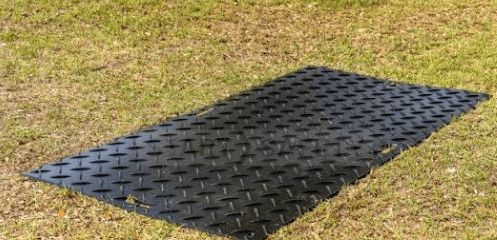

In various industries and outdoor activities, the use of a ground mat has become increasingly important for safety, comfort, and functionality. Ground mats play a vital role in providing a clean, stable, and insulated surface in both professional and recreational settings. Understanding the essential benefits of using a ground mat can help individuals and organisations select the right product for their specific needs.
What Is a Ground Mat?
A ground mat is a durable, portable surface designed to be placed on the ground for protection, insulation, or cleanliness. They are commonly made from materials such as rubber, foam, polypropylene, or woven fabrics, depending on their intended use. Ground mats are widely used in industries including electrical work, construction, outdoor events, and camping.
Protection Against Electrical Hazards
One of the primary uses of a ground mat, especially in industrial and electrical settings, is to protect workers from electrical shocks. Insulating ground mats can prevent dangerous current from passing through a person working with live electrical components. Ensuring adequate insulation properties reduces the risk of injury and enhances overall site safety.
Compliance with Safety Standards
Safety compliance is crucial in many sectors. The use of a ground mat that meets industry standards can help companies adhere to health and safety regulations. This not only protects employees but also minimises legal liabilities associated with workplace accidents.
Enhanced Comfort During Use
Ground mats provide a cushioning layer, which is particularly beneficial for workers who spend extended periods standing or kneeling. This cushioning can reduce fatigue, muscle strain, and joint stress, contributing to improved productivity and wellbeing. In outdoor scenarios, such as camping or picnicking, ground mats offer a comfortable surface that protects from hard, uneven, or cold ground.
Protection of Floors and Surfaces
Using a ground mat indoors or outdoors helps prevent damage to floors or surfaces. In workplaces where tools and heavy equipment are used, mats can absorb impact and reduce wear on underlying flooring. Similarly, outdoor mats can protect delicate grass or soil from being compacted or damaged by foot traffic or equipment.
Improved Cleanliness and Maintenance
Ground mats contribute to maintaining cleanliness by creating a barrier between the user and dirt, moisture, or debris on the ground. This is particularly useful in environments where hygiene is a priority, such as medical sites or food preparation areas. Mats are generally easy to clean, making them a practical solution for maintaining a tidy workspace or recreational area.
Water Resistance and Drainage
Many modern ground mats are designed to be water-resistant or include features that promote drainage. This helps prevent the accumulation of water on the mat’s surface, maintaining a dry and safe area. Effective water drainage also helps extend the life of the mat by preventing water damage or mould growth.
Durability and Long-Term Use
Mats are typically manufactured to withstand harsh conditions, including UV exposure, chemical spills, and physical abrasion. This durability ensures that ground mats remain effective over time, even in demanding environments. Investing in a high-quality ground mat reduces replacement costs and maintains safety and comfort standards consistently.
Portability and Convenience
Ground mats are generally lightweight and easy to transport, allowing quick installation and removal. This is especially useful for mobile work teams or for outdoor enthusiasts who require flexible solutions that can be set up in various locations without hassle.
Versatility Across Different Applications
The diverse applications of ground mats range from industrial safety mats to recreational camping mats and sports mats. This versatility makes them indispensable across multiple sectors. Selecting the appropriate ground mat type and specifications ensures optimal performance according to the intended application.
Environmental Considerations
Some ground mats are now produced using environmentally friendly or recycled materials. This supports sustainable practices and reduces the environmental impact associated with manufacturing and disposal. Choosing eco-friendly ground mats aligns with the increasing emphasis on responsible resource use in both industrial and recreational contexts.
Customisation and Special Features
Manufacturers often offer customisable ground mats to meet specific operational requirements. Options can include anti-slip surfaces, chemical resistance, enhanced insulation, and extra cushioning. These specialised features enable users to tailor mats to their particular safety and comfort needs.
Improving Workplace Efficiency
By providing a safe and comfortable work environment, ground mats can contribute to improved efficiency and worker performance. Reducing the risk of accidents and physical discomfort helps maintain focus and morale among employees. This is an important consideration for any organisation prioritising occupational health and safety.
Cost-Effectiveness Over Time
Although the initial investment in a high-quality ground mat may be higher compared to lower-grade alternatives, the long-term benefits justify the expense. Reduced healthcare costs due to fewer injuries, less downtime, and decreased replacement frequency contribute to overall cost-effectiveness.
Choosing the Right Ground Mat
Selecting a ground mat requires consideration of the intended environment, safety requirements, and user comfort. Consultation with reputable suppliers or specialists can help identify the most suitable options. Resources such as ground mat providers offer detailed product information to assist in making informed decisions.
Conclusion
The use of a ground mat is an essential element in enhancing safety, comfort, and efficiency across numerous settings. From electrical work to outdoor recreation, the benefits of these mats include electrical insulation, protection against physical damage, improved cleanliness, and user comfort. Investing in high-quality, durable, and appropriate ground mats supports safer working conditions and more enjoyable recreational experiences.
Understanding and utilising the advantages of ground mats can lead to better health outcomes, increased productivity, and long-term cost savings for individuals and organisations alike.