
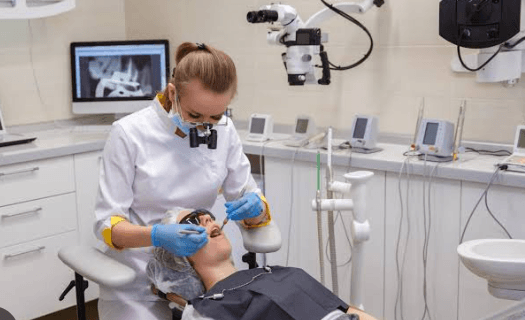

In the field of dentistry, precision is paramount. Every procedure requires meticulous attention to detail to ensure optimal outcomes for patients. One of the key tools that dental professionals rely on to achieve enhanced visual clarity and accuracy is the use of dental loupes. These specialised optical devices have revolutionised the approach to dental care by improving visualisation and ergonomics for practitioners.
What Are Dental Loupes?
Dental loupes are magnifying binocular spectacles designed to provide dentists with an enlarged view of the oral cavity. By increasing magnification, these devices allow for a more detailed examination of teeth, gums, and other oral structures. The enhanced visualisation aids in identifying problems that might otherwise be missed during routine procedures, such as hairline fractures or early signs of decay.
The Importance of Magnification in Dentistry
Given the small and intricate anatomy of the oral cavity, magnification is essential for performing delicate dental treatments. Tasks such as root canal therapy, cavity preparation, and restorative treatments demand a high degree of precision. Dental loupes allow practitioners to see fine details clearly, reducing the likelihood of errors and improving treatment quality.
Dental Loupes and Diagnostic Accuracy
Using dental loupes can significantly improve diagnostic capabilities. Enhanced magnification enables clinicians to detect subtle changes in tooth colour, texture, and surface integrity. This early detection facilitates timely intervention, potentially preventing more invasive treatments later. For example, recognising early enamel demineralisation can prompt non-invasive preventive measures.
Ergonomic Benefits of Dental Loupes
Besides improving visualisation, dental loupes contribute to better ergonomics. Conventional dentistry often involves prolonged periods of bending and straining to gain adequate visibility. Over time, this can lead to musculoskeletal problems such as neck, shoulder, and back pain among dental professionals.
By providing an enhanced view at a comfortable working distance, loupes encourage correct posture during procedures. This reduces physical strain and fatigue, allowing dentists to maintain higher levels of concentration and performance throughout the day.
Types of Dental Loupes
Dental loupes come in several configurations depending on the magnification, working distance, and optical design:
- Galilean Loupes: These are lightweight with simple optics, offering moderate magnification suitable for general dentistry.
- Prismatic Loupes: Featuring complex optics, these provide higher magnification and better image clarity, ideal for specialised treatments.
- Flip-up and Through-the-Lens Styles: Flip-up models allow the lenses to be moved out of the visual field when not needed. Through-the-lens designs integrate the lenses within the frame for improved optical alignment.
Choosing the appropriate type depends on the clinician’s preferences and the nature of their dental practise.
Magnification Levels and Their Applications
Common magnification powers for dental loupes range from 2.0x to 6.0x. Lower magnifications provide a wider field of view and are useful for general examinations and basic procedures. Higher magnifications offer greater detail at the expense of a narrower visual field and reduced depth of view.
Many dentists select a balance around 2.5x to 3.5x magnification, which allows enhanced detail while maintaining comfortable ergonomics during most procedures.
Integrating Lighting with Dental Loupes
Proper illumination is crucial when working within the oral cavity. Many dental loupes can be equipped with powerful LED lights mounted on the frame. This direct light source significantly improves visibility in difficult-to-reach areas and reduces shadows, complementing the magnification.
Durability and Comfort Considerations
Since dental practitioners may wear loupes for extended periods, comfort is an important factor. Modern dental loupes are designed to be lightweight and ergonomically balanced to reduce pressure on the nose and ears. Adjustable nose pads and secure headbands help create a customised fit.
Durability is also key, as the loupes must withstand daily use in a clinical environment. High-quality lenses with scratch-resistant coatings and robust frames ensure longevity of the investment.
Investment in Professional Development
Utilising dental loupes represents an investment in professional standards and patient care quality. While initial costs can be significant, the benefits in improved diagnostic accuracy, procedure efficiency, and personal comfort contribute to long-term value.
Dental practitioners who incorporate loupes into their routine often report higher satisfaction with their work and better overall clinical outcomes.
The Role of Dental Loupes in Specialised Dental Fields
Certain dental disciplines particularly benefit from the use of magnification, including endodontics, periodontics, prosthodontics, and oral surgery. These specialties require detailed visualization to manage complex anatomy and perform precise interventions.
For example, endodontists rely heavily on magnification loupes to locate accessory canals or crack lines during root canal therapy. Similarly, oral surgeons may use high-magnification loupes to ensure accurate incisions and suturing.
Choosing the Right Dental Loupes Supplier
When selecting dental loupes, sourcing equipment from reputable suppliers ensures quality and ongoing customer support. Trusted suppliers typically offer consultation to assist with choosing appropriate magnification, frame fits, and optional lighting.
One such supplier offering a comprehensive range of magnification solutions is dental loupes. Their selection caters to various professional requirements and budgets.
Training and Adaptation Period
New users may require an adjustment period to become accustomed to wearing dental loupes. Thorough training and practice help optimise their benefits and minimise any initial discomfort.
Many dental education programmes now incorporate magnification devices as a standard part of teaching, underscoring their importance in modern dentistry.
Conclusion
Dental loupes represent a vital advancement in dental technology that supports enhanced precision, diagnostic accuracy, and practitioner wellbeing. Their integration into dental practice promotes both improved patient outcomes and occupational health for clinicians. Investing in quality magnification loupes from established suppliers is a strategic decision that benefits dental professionals and their patients alike.
