
BySonu
192168.0.1 Router Login and Admin Access Guide
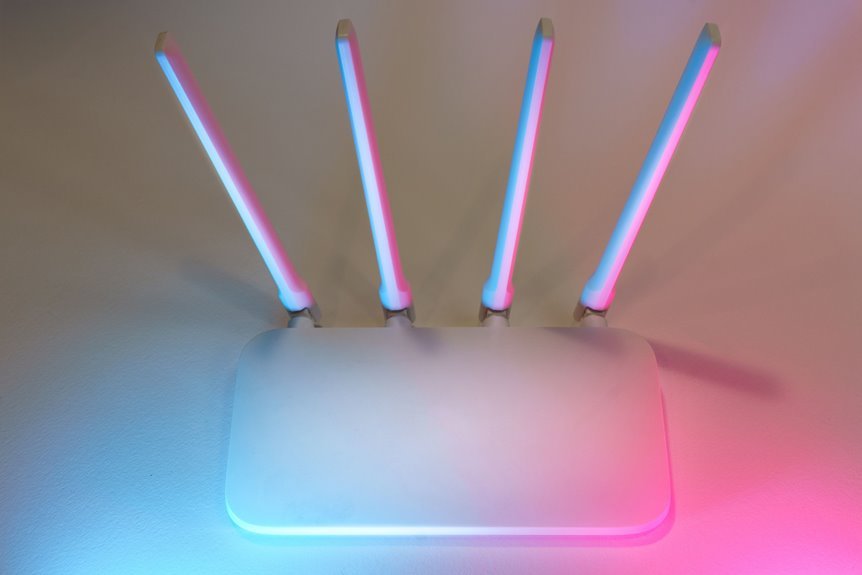
The 192.168.0.1 Router login and admin access guide outlines the gateway role of this private IP and the steps to reach the admin interface. It emphasizes secure access, including HTTPS or VPN, and recommends strong credentials and updated firmware. Quick-win actions cover renaming SSIDs, enabling WPA3, and disabling WPS. Practical troubleshooting, governance, and privacy considerations are also addressed. The approach is concise and actionable, but sufficient uncertainty remains about specific router models and configurations, demanding a careful follow-up.
What 192.168.0.1 Is and Why You’D Use It
192.168.0.1 is a private IP address used as the default gateway for many home routers, serving as the access point for the device’s administrative interface. It enables centralized configuration for networked devices, monitoring router firmware status, and applying a security policy. It also facilitates guest network setup, isolating traffic while maintaining governance and freedom of access.
How to Access the Admin Login Securely
To access the admin login securely, users should verify the device’s address and employ HTTPS or VPN when available, ensuring the interface is reachable only from trusted networks.
The procedure emphasizes secure access and admin authentication, minimizing exposure to unauthorized sessions.
Administrators should disable unnecessary services, monitor access logs, and enforce strong, unique credentials for sustained, resilient router management.
Quick-Win Settings: Rename Wi‑Fi, Set a Strong Password, and Tweak Security
Users should implement quick-win changes: rename the SSID, set a robust Wi‑Fi password, and tighten wireless security settings. The guidance emphasizes minimal exposure: rename wifi for easier management, set password with a strong passphrase, and apply updated encryption.
Tweak security by disabling WPS, enabling WPA3 where available, and restricting router login access to trusted devices.
Troubleshooting Common Login Issues and the Next Steps
Common login issues with home routers are prevalent and solvable with a structured approach.
The guide outlines diagnostic steps, device reboots, and credential recovery, followed by next steps for sustained access.
Emphasis includes security audits, firmware updates, privacy considerations, and parental controls, ensuring robust configurations.
Clear remediation supports administrators seeking freedom through transparent, repeatable, and auditable login hygiene.
Frequently Asked Questions
Can I Access 192.168.0.1 From a Smartphone on Cellular Data?
Accessing 192.168.0.1 from cellular data is not possible on a private LAN without remote access configuration. For security, ensure proper mobile security practices and configure secure remote access via VPN or official router cloud services.
What Ports Are Used for the Router Admin Page?
The router admin page typically uses port 80 (HTTP) or port 443 (HTTPS); some devices support alternative ports. For routing security, browser compatibility matters, and the page should be accessible across compliant browsers while preserving user autonomy.
How Often Should I Change the Admin Password?
The statistic: 80 percent of breaches involve compromised credentials, underscoring risk. Change interval should be every 90 days at minimum. Employ strong password strategies and unique admin passwords; avoid reuse across sites for heightened security and autonomy.
Can I Update Firmware From This Login Page?
Yes, it can update firmware from the login page. The interface supports firmware updates, and administrators should enable notifications and verify checksums. After updating, review parental controls to ensure configurations remain intact and security policies remain enforced.
Is 192.168.0.1 Different From 192.168.1.1?
Yes, they are different private addresses; both are default gateways that can lead to admin access, but their networks vary. is 192.168.0.1 different from 192.168.1.1, and admin access perms expect correct IP, firmware update possible via proper page.
Conclusion
The router’s gateway at 192.168.0.1 stands as the quiet sentinel of the home network, its admin interface the vault where trust is kept. With secure access, strong credentials, and disciplined updates, the ecosystem becomes predictable rather than perilous. Implementing quick-win safeguards and ongoing monitoring transforms complexity into clarity. In this disciplined minutiae—renamed SSIDs, hardened encryption, and controlled guest traffic—architecture emerges from noise, and the network steadies like a well-anchored ship amid shifting digital tides.


